Empathy Gap
Underestimating the influence of emotional states on one's own and others' behavior and decision-making.
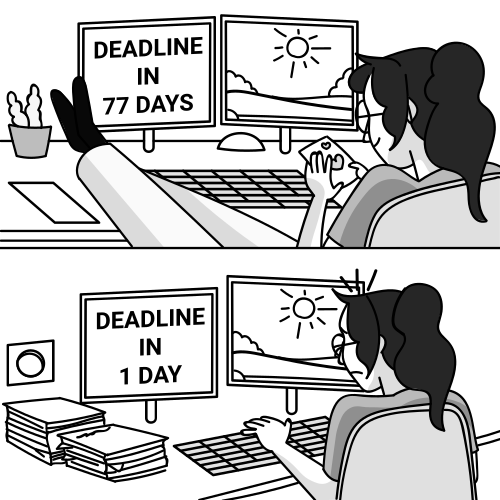
The empathy gap is a cognitive bias that refers to the difficulty in understanding and predicting the influence of emotional states on one's own or others' behavior, thoughts, and decision-making. This bias suggests that people tend to underestimate the impact of visceral drives (such as hunger, thirst, fear, or sexual arousal) on their attitudes, preferences, and actions. The concept was introduced by psychologists George Loewenstein and Erik Angner. The empathy gap can be further divided into two types: the hot-cold empathy gap, which occurs when people in a "cold" state (not experiencing strong emotions) fail to predict how they will behave in a "hot" state, and the intrapersonal empathy gap, which refers to the difficulty in imagining how one would feel or act in a situation different from their current state.
Example
Snack Choices During Grocery Shopping
A person might decide not to buy unhealthy snacks but ends up purchasing them when shopping hungry. Why? Their state of hunger creates an empathy gap, making it hard to align their choices with their intentions made in a state of satiety.
In your professional life
Schedule Meetings for Optimal Timing
Schedule important meetings or negotiations when participants are likely to be in a calm, neutral state. For example, if you’re an event planner, avoid scheduling key planning meetings immediately after a major event or during the hectic end-of-year period. Instead, choose times when the team is less stressed, such as mid-week mornings. This timing helps ensure more thoughtful discussions and better decision-making.
Go deeper in ThinkBetter
ThinkBetter is the app for mental models and cognitive biases. For Empathy Gap, the free version includes more than this page — further examples, a quiz, audio, and a weekly path — and every model and bias in the library. Pro is an optional, inexpensive upgrade for the rest of the deep-dive.