
Negativity Bias
Predisposition to prioritize and remember negative events or emotions over neutral or positive ones.
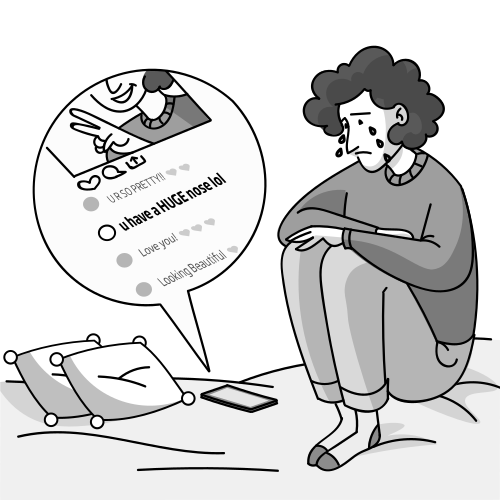
Imagine getting ten pieces of feedback: nine are positive, and one is negative. If you find yourself ruminating more on the single negative remark than the nine compliments, you've encountered the negativity bias. This is why people over-focus on that ************one negative************ comment vs. the other positive ones. Or why you always tend to run to the review sites when you have a bad experience (but not when you have a good one). This psychological phenomenon explains why negative experiences, even if minor or infrequent, often have a greater impact on our thoughts, feelings, and memories than positive or neutral ones.
Example
Performance Reviews
An employee receives overwhelmingly positive feedback during an evaluation, but one area of improvement is pointed out. They might spend days stressing over that single criticism, overlooking their many strengths. Why? The negativity bias magnifies the impact of negative feedback.
In your professional life
Success Journaling
Actively document and reflect on your successes to counterbalance the natural tendency to focus on negatives. Keep a "win journal" where you record your achievements, no matter how small. For example, note when you complete a challenging task, receive praise from a colleague, or contribute a valuable idea in a meeting. Regularly reviewing this journal can boost your confidence, provide evidence of your growth for performance reviews, and help you recognize patterns in your strengths.
Go deeper in ThinkBetter
ThinkBetter is the app for mental models and cognitive biases. For Negativity Bias, the free version includes more than this page — further examples, a quiz, audio, and a weekly path — and every model and bias in the library. Pro is an optional, inexpensive upgrade for the rest of the deep-dive.