
Map is Not The Territory
Our perception or representation of reality is not reality itself, but merely a simplified version of it, with all of its flaws.
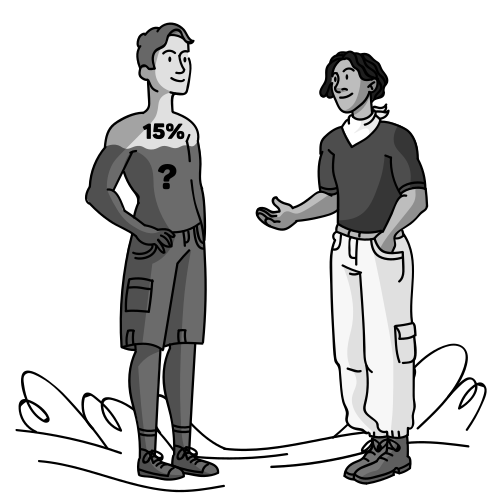
When you look at a map of a place, remember it's just a representation and not the real thing. While the map can show you streets, landmarks, and boundaries, it won't capture the sounds of street musicians, the aroma from food stalls, or the bustling energy of the crowd. The map is a useful tool, but it's not a complete representation of the city's reality. Coined by Alfred Korzybski, the concept reminds us that our beliefs, perceptions, and understandings are just interpretations of reality and not the full, rich depth of it. Always be open to exploring beyond what you initially see or think.
Example
Cultural Stereotypes
Generalizing behaviors or traits of a particular culture based on limited experiences or media representations can lead to misunderstandings. Why? Such stereotypes are merely a 'map' and don't capture the full diversity and richness of the actual 'territory' (the culture itself).
In your professional life
Ground Truth Through Feedback
Regularly gather input from frontline staff when implementing new processes. For example, after introducing a new customer service protocol, schedule brief check-ins with representatives using it daily. This bridges the gap between plan and reality, enabling quick adjustments and improving outcomes. By valuing on-the-ground perspectives, you can enhance implementations and boost employee engagement.
Go deeper in ThinkBetter
ThinkBetter is the app for mental models and cognitive biases. For Map is Not The Territory, the free version includes more than this page — further examples, a quiz, audio, and a weekly path — and every model and bias in the library. Pro is an optional, inexpensive upgrade for the rest of the deep-dive.