
Default Effect
People tend to stick with the pre-defined options or default choices when presented with a decision.
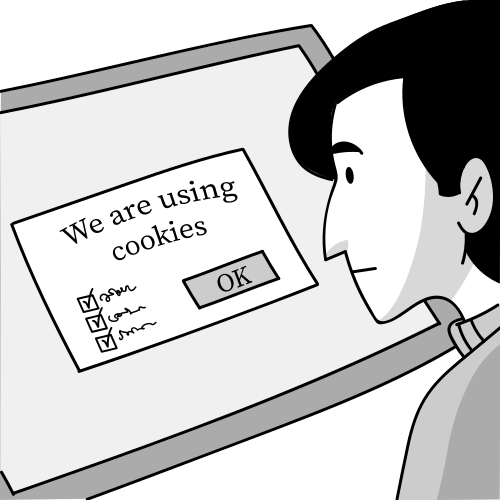
The Default Effect is a cognitive bias where individuals are more likely to choose an option if it's selected as the default among a range of choices. This happens because making a change requires additional effort and decision-making, which many prefer to avoid. The concept plays a significant role in various fields, notably in behavioral economics and decision theory, where it has been observed that default settings can significantly influence people's choices in areas like retirement savings plans, organ donation preferences, and privacy settings on social media platforms. The effect taps into our natural tendency towards inertia and the path of least resistance, suggesting that defaults can subtly guide behavior without restricting freedom of choice. Now you know why these pesky Terms of Service come pre-selected or why you’re nudged towards a given plan as the default choice.
Example
Retirement Savings
Employees are automatically enrolled in a retirement savings plan but can opt out. Why? This increases participation rates, as the effort required to opt out nudges more employees to save for retirement.
In your professional life
Email Efficiency
Set up your email client with productivity-enhancing default settings (e.g., turning off automatic notifications and scheduling specific times for checking emails) to improve your focus and reduce constant interruptions throughout the workday. This approach can significantly boost your productivity and demonstrate your ability to manage your time effectively.
Go deeper in ThinkBetter
ThinkBetter is the app for mental models and cognitive biases. For Default Effect, the free version includes more than this page — further examples, a quiz, audio, and a weekly path — and every model and bias in the library. Pro is an optional, inexpensive upgrade for the rest of the deep-dive.