
Anchoring Bias
Anchoring Bias is the tendency to overly rely on the first piece of information seen when making decisions.
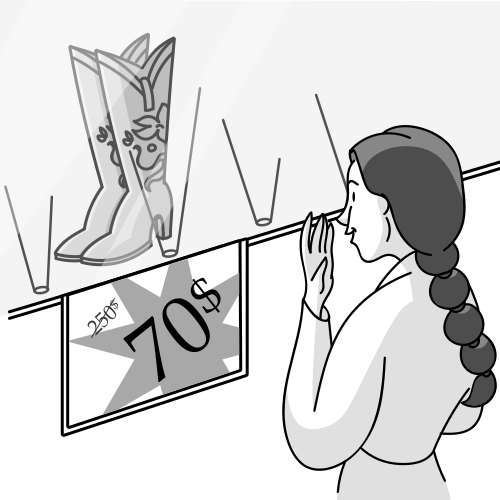
When making decisions, the human brain often gives disproportionate weight to the first piece of information it encounters. This initial information, or "anchor", serves as a reference point and can skew subsequent judgments, evaluations, or estimates. For instance, when considering the price of an item, the first price tag you see can heavily influence whether you view subsequent prices as cheap or expensive, even if those prices aren’t objectively the best deals.
Example
Salary Negotiations
When given an initial salary offer of $50,000, a job candidate might focus their negotiation around this number (not deviating much from it). Why? Because that initial figure has anchored their expectation, potentially causing them to under-aim when they could be worth much more.
In your professional life
Strategic Anchoring in Salary Negotiations
In salary negotiations, start by proposing a figure higher than your actual target. For instance, if you're aiming for a 15% raise, open the discussion by requesting a 25% increase. This higher initial number serves as an anchor, making your true goal seem more reasonable in comparison. Even if the employer counters with a lower offer, it's likely to be higher than if you had started with a more modest proposal. This approach can lead to a more favorable outcome in your compensation discussions.
Go deeper in ThinkBetter
ThinkBetter is the app for mental models and cognitive biases. For Anchoring Bias, the free version includes more than this page — further examples, a quiz, audio, and a weekly path — and every model and bias in the library. Pro is an optional, inexpensive upgrade for the rest of the deep-dive.